

Built & Natural
Heritage
A comprehensive collection of the world's most significant cultural heritage sites, with detailed documentation of threats, preservation efforts, and historical context.
57
Total Sites
9
Critical
2
Threatened
18
At Risk
22
Vulnerable
6
Safe

Acropolis of Athens
A complex of monuments accumulated over centuries on a plateau that has been the sacred and political heart of Athens since the Bronze Age, crowned by the Parthenon, one of the most refined and influential buildings in the history of human architecture.
Adam's Peak (Sri Pada)
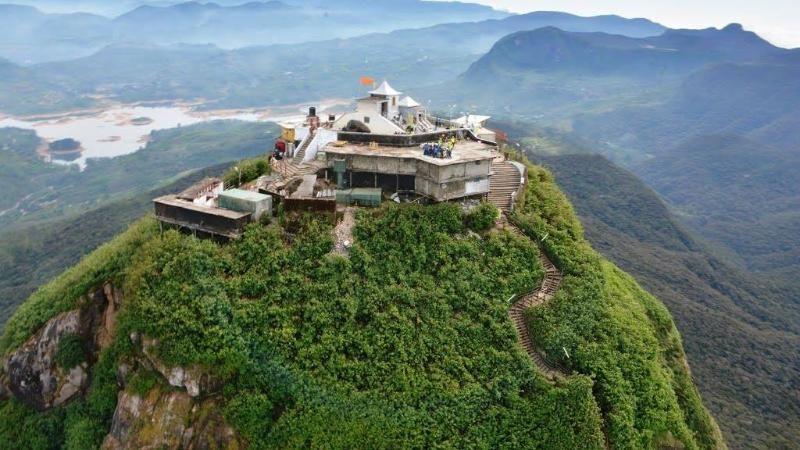
Adam's Peak — Sri Pada, the Sacred Footprint — is a 2,243-metre conical mountain in the Sri Lankan highlands whose summit rock formation is venerated as a sacred footprint by four of the world's major religions simultaneously. For over a thousand years, pilgrims of all these faiths have climbed 5,500 steps through the night to reach the same summit at the same dawn, making it one of the oldest continuously shared sacred sites in the world. The mountain's surrounding cloud forest is a biodiversity hotspot containing over 150 endemic plant species found nowhere else on earth.
Altamira Cave
Altamira is a Palaeolithic cave site in Cantabria, northern Spain, containing polychrome cave paintings and engravings created between approximately 36,000 and 13,000 BCE, representing the most sophisticated prehistoric art in Europe. The cave's ceiling in the 'polychrome chamber' — 18 metres long and 9 metres wide — is covered in painted bison, horses, deer, and boar rendered in red ochre, black charcoal, and manganese dioxide, with figures that use the natural undulations of the limestone ceiling to give the animals three-dimensional form. The Altamira bison — lying, standing, charging, rolling — are among the most artistically accomplished images in human history, representing Upper Palaeolithic people's extraordinary capacity for observation, visual abstraction, and the purposeful transformation of natural pigments into enduring images. The cave is closed to public access except in highly restricted circumstances; a replica cave (Neocueva) allows visitors to experience the paintings without threatening the originals.
Amazon Rainforest
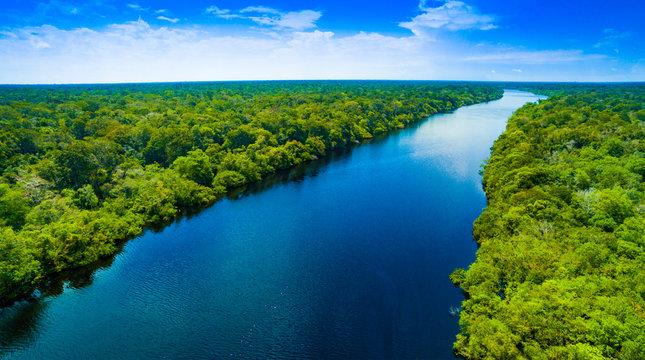
The most complex and biodiverse terrestrial ecosystem on earth, containing approximately 10 percent of all species on the planet within 5.5 million square kilometres of living forest, home to approximately 400 Indigenous nations speaking around 300 languages, holding an estimated 150 to 200 billion tonnes of carbon in its biomass and soils, and currently approaching a scientifically projected tipping point beyond which large areas may transition irreversibly toward savannah.
Ancestral Pueblo Cliff Dwellings
The cliff dwellings of the American Southwest are the architectural achievement of the Ancestral Pueblo people, who built multi-storey stone communities into the vertical faces of canyon walls and under the overhanging ledges of sandstone mesas between approximately 1100 and 1300 CE. Mesa Verde's Cliff Palace, with its 150 rooms and 23 kivas, is the largest cliff dwelling in North America. These were not refuges or temporary shelters. They were planned, permanent communities with sophisticated water management, specialised ritual spaces, astronomical alignments, and long-distance trade connections stretching from the Gulf of Mexico to the Pacific coast. Their builders did not vanish. They are the ancestors of the modern Pueblo peoples of New Mexico and Arizona.
Ancient Kyoto
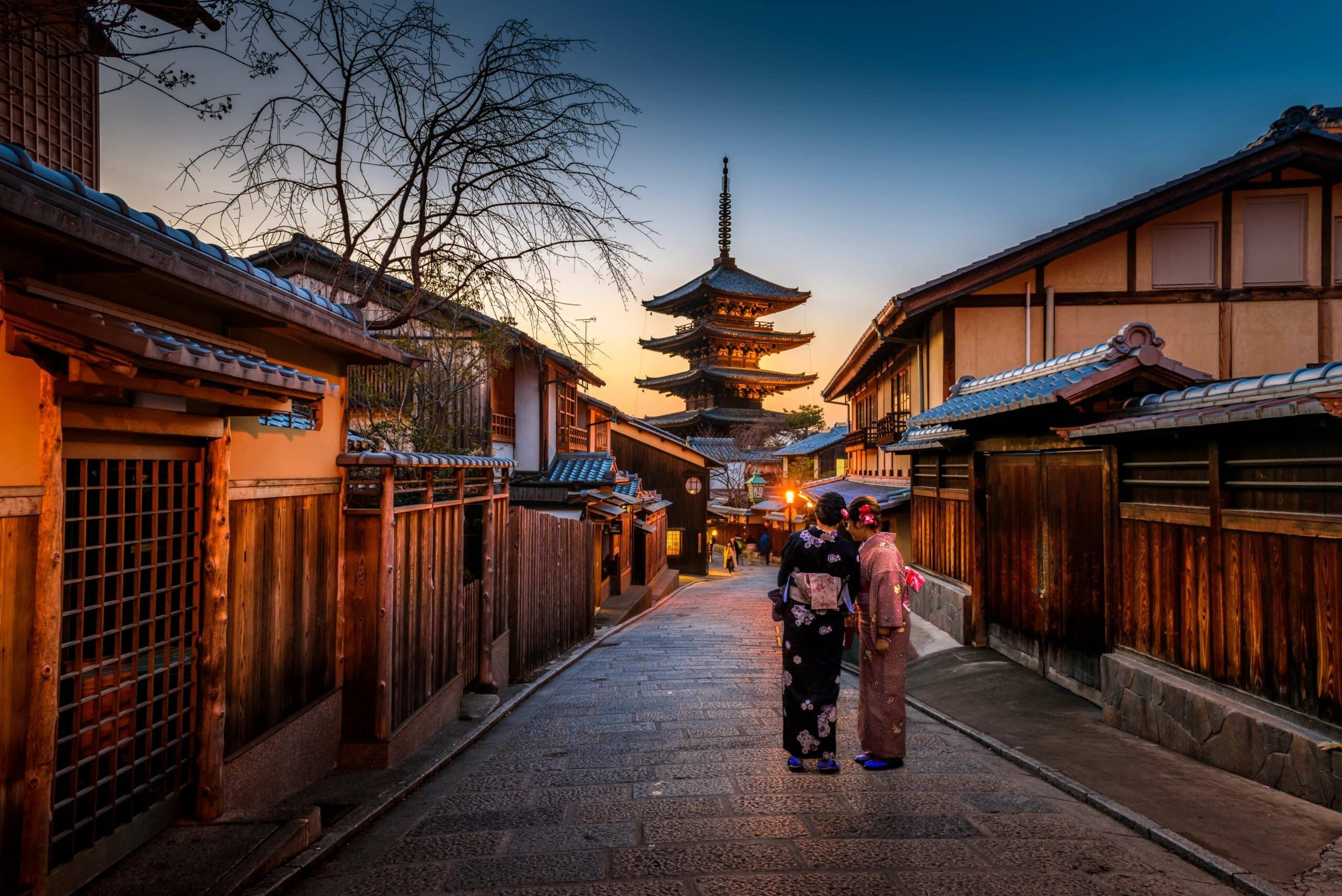
Ancient Kyoto encompasses seventeen historic monuments across three cities — temples, shrines, palaces, and gardens that constitute Japan's most complete surviving expression of imperial court culture. Japan's imperial capital for over a thousand years, it received 50 million visitors in 2019 — ten times its resident population. The machiya, traditional wooden townhouses that once formed the domestic fabric of the city, are disappearing at approximately 2% per year, taking with them the living trades — textile dyeing, lacquerwork, confectionery — that give the monuments their cultural context.

Angkor
The most extensive low-density urban complex of the pre-industrial world — a religious and administrative capital of the Khmer Empire that at its twelfth-century peak may have supported a population of up to one million people across an urban footprint of roughly 1,000 square kilometres. At its core stands Angkor Wat, the largest religious monument on earth, alongside hundreds of temples, reservoirs, hydraulic works, and urban infrastructure distributed across a landscape that has only recently been mapped to its full extent by aerial LiDAR survey. The hydraulic systems that sustained the city's population are simultaneously its greatest engineering achievement and the focus of its most urgent conservation science.
Attirampakkam
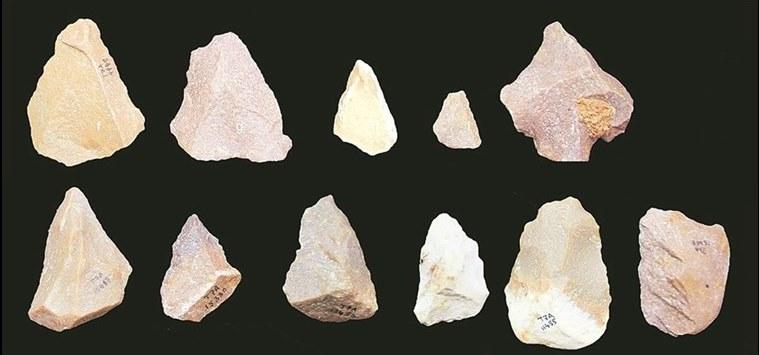
A stratified sequence of stone tool assemblages spanning approximately 1.5 million years, from the earliest known Acheulean handaxe technology in peninsular India through a transition to Middle Palaeolithic technology that appears — according to radiometric dating published in 2018 — significantly earlier than the same transition in Africa and Europe, potentially before the dispersal of anatomically modern humans out of Africa and challenging fundamental assumptions about the cognitive and demographic history of early humans in South Asia.

Baghdad
For five centuries the intellectual and political capital of the Islamic world — a city of libraries, hospitals, observatories, and markets that drew scholars, merchants, and diplomats from across Eurasia. At its Abbasid height it was, by most estimates, the largest city on earth. Its House of Wisdom preserved Greek philosophy, advanced mathematics and astronomy, and produced original work in medicine and optics that would not be surpassed in Europe for centuries. Very little of that city survives. What does survive is concentrated in four historic areas — Old Rusafa, Al-Karkh, Al-Adhamiya, and Al-Kadhimiya — containing 132 formally listed monuments within a fragile urban fabric now threatened by conflict damage, institutional failure, infrastructure collapse, and climate change.
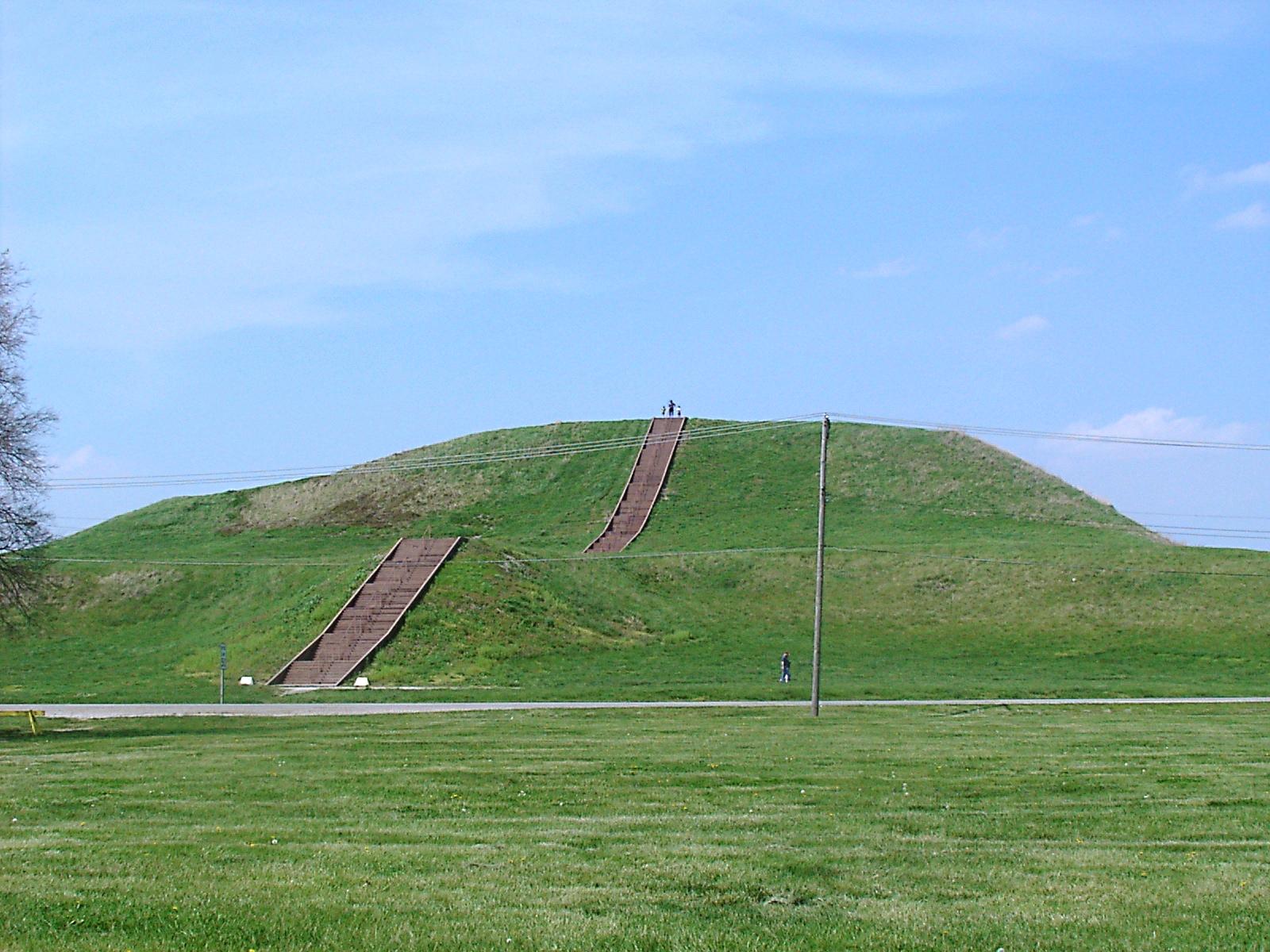
Cahokia Mounds State Historic Site
Cahokia Mounds is the largest pre-Columbian settlement north of Mexico, a planned city that at its peak around 1100 CE housed between 10,000 and 20,000 people — larger than contemporary London — built entirely without metal tools, wheeled vehicles, or draft animals. Its centrepiece, Monks Mound, contains more earth than the Great Pyramid of Giza and was constructed entirely by hand-transported basket loads of soil. The city was abandoned around 1350 CE for reasons still debated, and its builders have no confirmed modern descendants. It is the most important and least known archaeological site in North America.
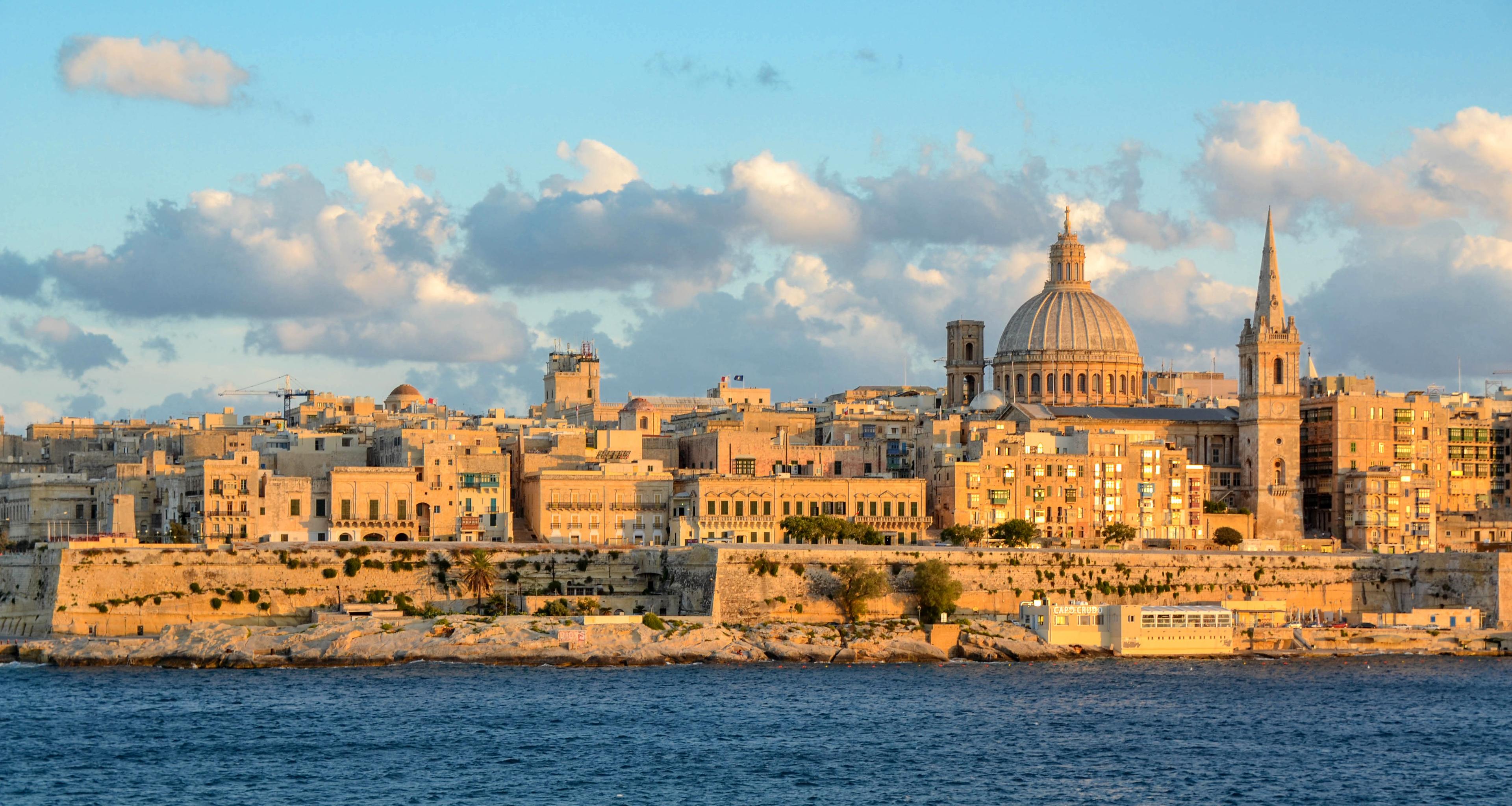
City of Valletta
Valletta is among the smallest capital cities in the world and arguably the most concentrated — a 55-hectare baroque fortress peninsula built by the Knights of St John after the Great Siege of 1565, containing more cultural monuments per square metre than almost any other city on earth. Its most urgent conservation challenge is not the crumbling of its limestone but the emptying of its streets: the resident population has fallen from 20,000 in 1960 to around 5,800 today.

Galápagos Islands
An archipelago of 19 major islands and dozens of smaller ones, rising from three converging oceanic currents at the intersection of the Pacific, Nazca, and Cocos tectonic plates, isolated from the South American mainland by nearly 1,000 kilometres of open ocean. The islands contain one of the world's highest concentrations of endemic species — animals and plants found nowhere else on earth — including marine iguanas, flightless cormorants, Galápagos penguins, giant tortoises, and Darwin's finches, whose adaptive radiation across the archipelago provided Charles Darwin with the observational foundation for the theory of natural selection. The ecological integrity that makes these species possible is under accelerating pressure from invasive species, climate change-driven ocean warming, and the tourism and fishing economies whose growth has outpaced the management capacity of the institutions responsible for protecting the islands.