

The Journal
In-depth investigations, conservation case studies, and policy analysis from heritage contributors worldwide.
Latest Articles
The Mughal Women History Forgot to Tell You About
A queen who hunted tigers with six bullets. A princess who owned an entire marketplace still packed with shoppers today. A mother who ran an empire while her husband was too drunk to govern. And none of them made it into the chapter titles. Here's what the textbooks left out.
Ani: The City of 1,001 Churches That the World Forgot
There is a plateau in northeastern Turkey, right on the border with Armenia, where a city of 100,000 people once stood. It had palaces and cathedrals and bustling bazaars. It sat at the crossroads of the Silk Road and collected the architectural ambitions of every empire that passed through it. Merchants, pilgrims, scholars, and soldiers all moved through its gates. Today there are no gates. There is no city. There is wind, and grass, and the crumbling remains of walls and churches standing in an empty landscape so quiet you can hear the river far below. Ani is one of the most astonishing ruins in the world, and almost nobody has heard of it.
Mount Tambora: The Volcano That Erased a Summer and Changed the World
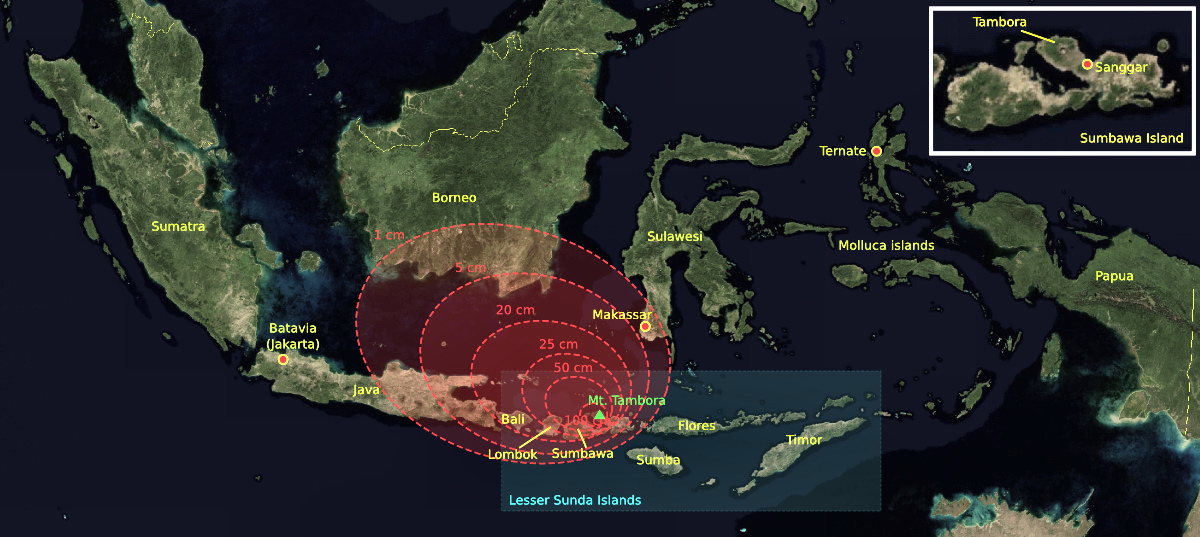
Most people, if they know one famous volcanic eruption, know Krakatoa. The name has a dramatic ring to it, and the 1883 eruption left a record that spread across contemporary newspapers and telegraph networks in a way that earlier catastrophes could not. But Krakatoa was not the largest volcanic eruption in recorded history. That was Tambora, on the island of Sumbawa in what is now Indonesia, in April 1815. And Tambora did not just destroy a mountain. It changed the climate of the entire planet for two years, killed tens of thousands of people, triggered famines across three continents, forced the migration of hundreds of thousands more, and may have influenced the invention of the bicycle, the writing of Frankenstein, and the composition of some of the most haunting landscape paintings in European art history. Not bad for something most people have never heard of.
Every Paisley Has a Story: The Hidden Meanings Woven Into Kashmiri Shawls
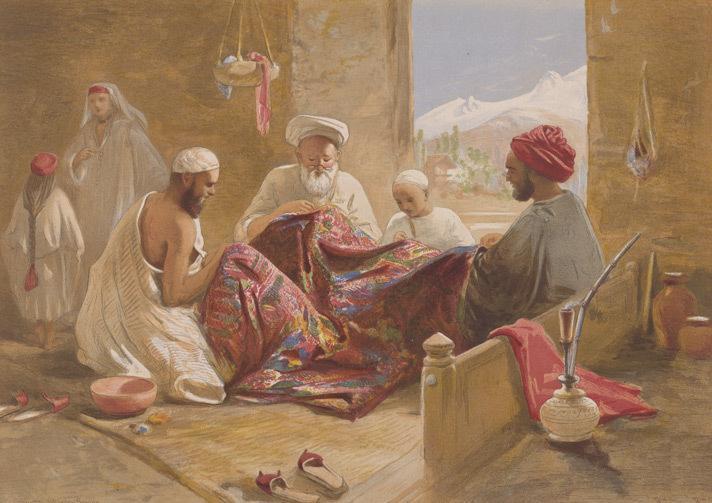
You have probably seen the pattern a hundred times. On scarves, curtains, wallpaper, your grandmother's favourite wrap. That teardrop shape with a curved tip, repeated and layered until it fills every inch of fabric. You might know it as paisley. But in Kashmir, where it was born, it has a name, a meaning, and a history that goes back centuries. Kashmiri shawls are not just beautiful textiles. They are objects that once defined power and prestige across two continents, that took two weavers three full years to complete, and that carry in every motif a symbolic language developed over hundreds of years. Here is what that language actually says.