

Intangible Cultural
Heritage
Traditional practices, arts, knowledge systems, and cultural expressions that form the living heritage of communities worldwide.
7
Practices
0
Critical
1
Endangered
4
Revitalizing
2
Thriving
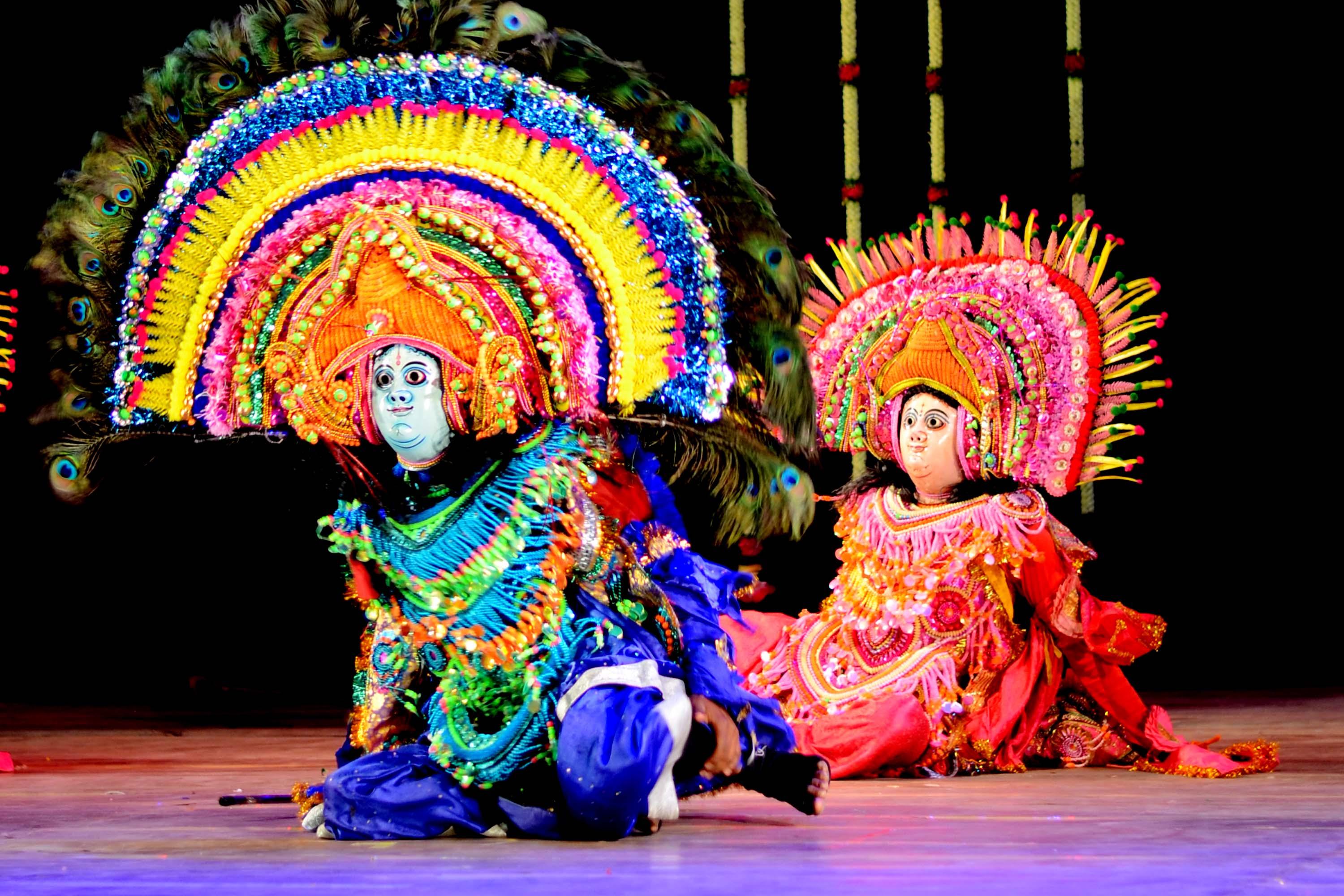
Chhau Dance
Chhau is a semi-classical Indian dance form rooted in martial, tribal, and folk traditions, performed in three distinct regional styles across eastern India. Using elaborate masks, percussive footwork, and mythological narratives, it encodes centuries of warrior culture and devotional practice in a single living art form.
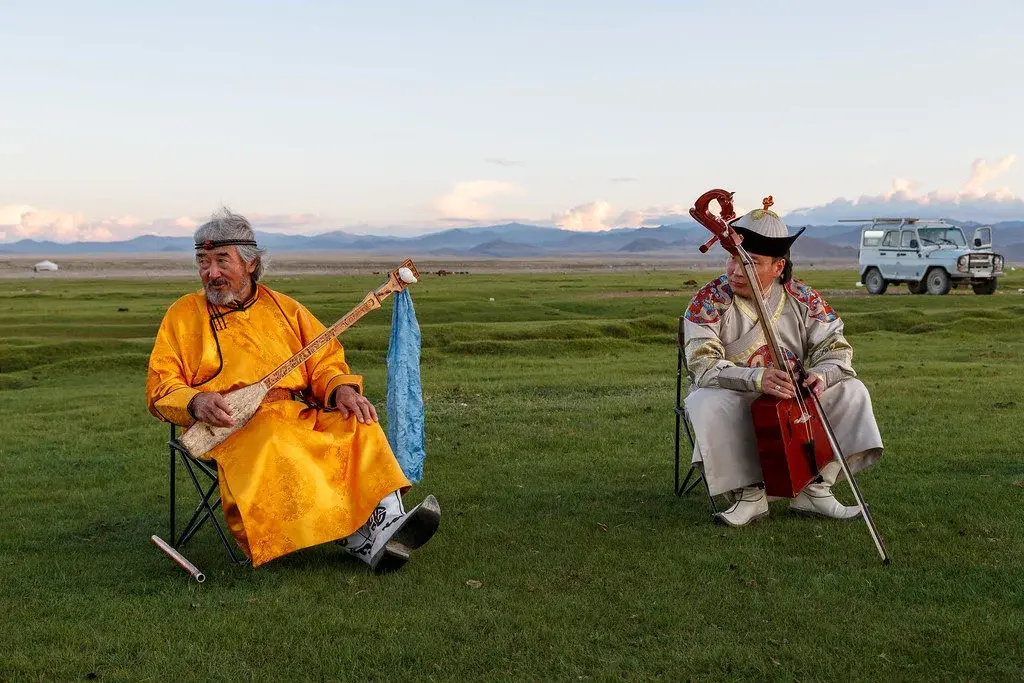
Mongolian Khoomei
An ancient form of overtone singing where a single performer produces multiple distinct pitches simultaneously, deeply connected to the animistic beliefs of nomadic herders.
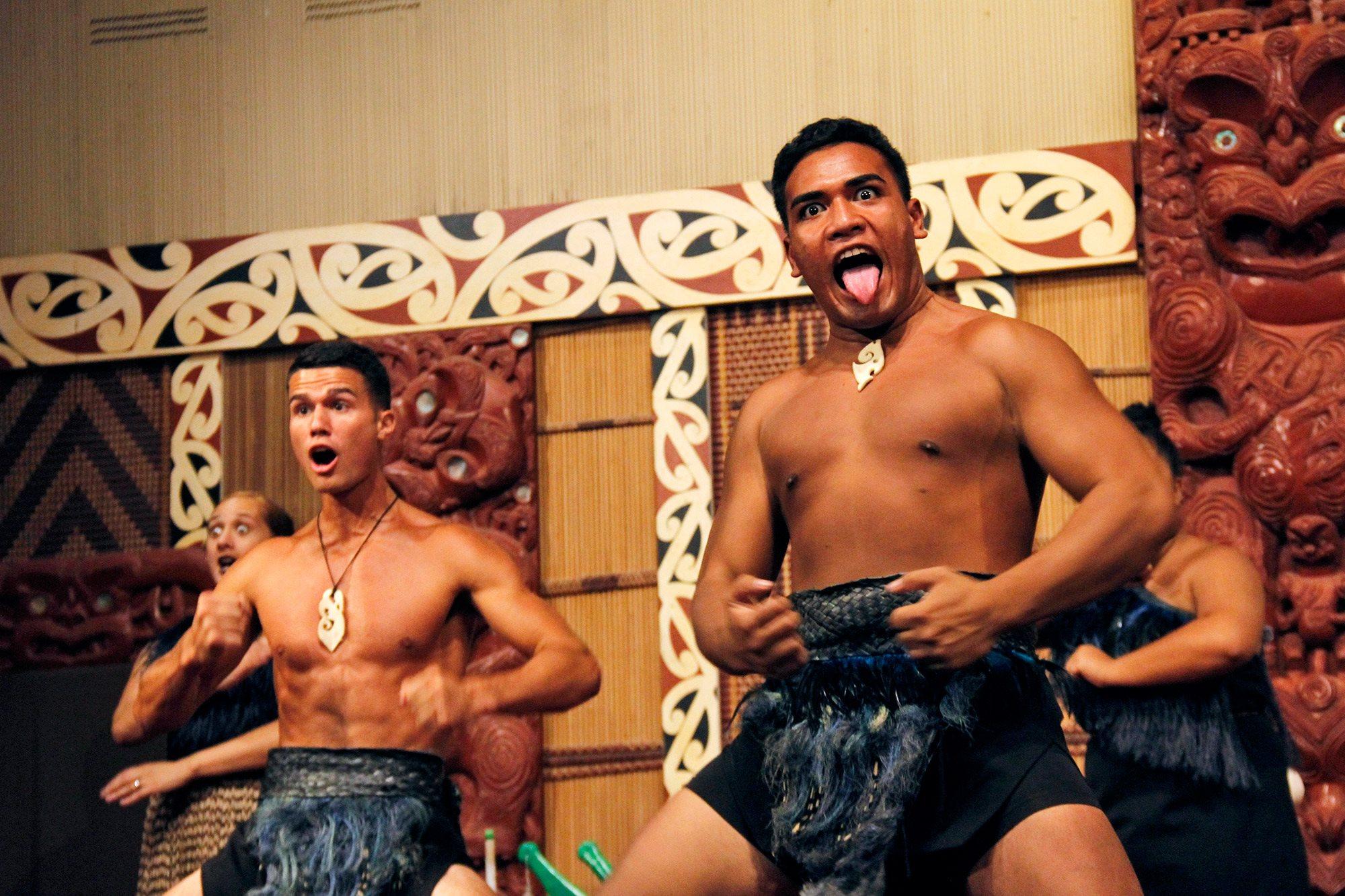
Māori Haka
Haka is a Māori posture dance combining rhythmic body percussion, vigorous physical movement, and chanted or sung text to project collective intent, spiritual power, and community identity. It is performed in contexts ranging from welcoming visitors to challenging adversaries to mourning the dead — a multi-purpose communicative tradition whose texts encode genealogical knowledge, historical narrative, and philosophical statement.
Samba
Samba is a broad family of Afro-Brazilian music and dance genres rooted in the creative resistance of enslaved and marginalised communities. From the intimate roda de samba to the collective spectacle of Rio carnival, it encodes community solidarity, historical memory, and the sustained creative genius of the African diaspora in the Americas.
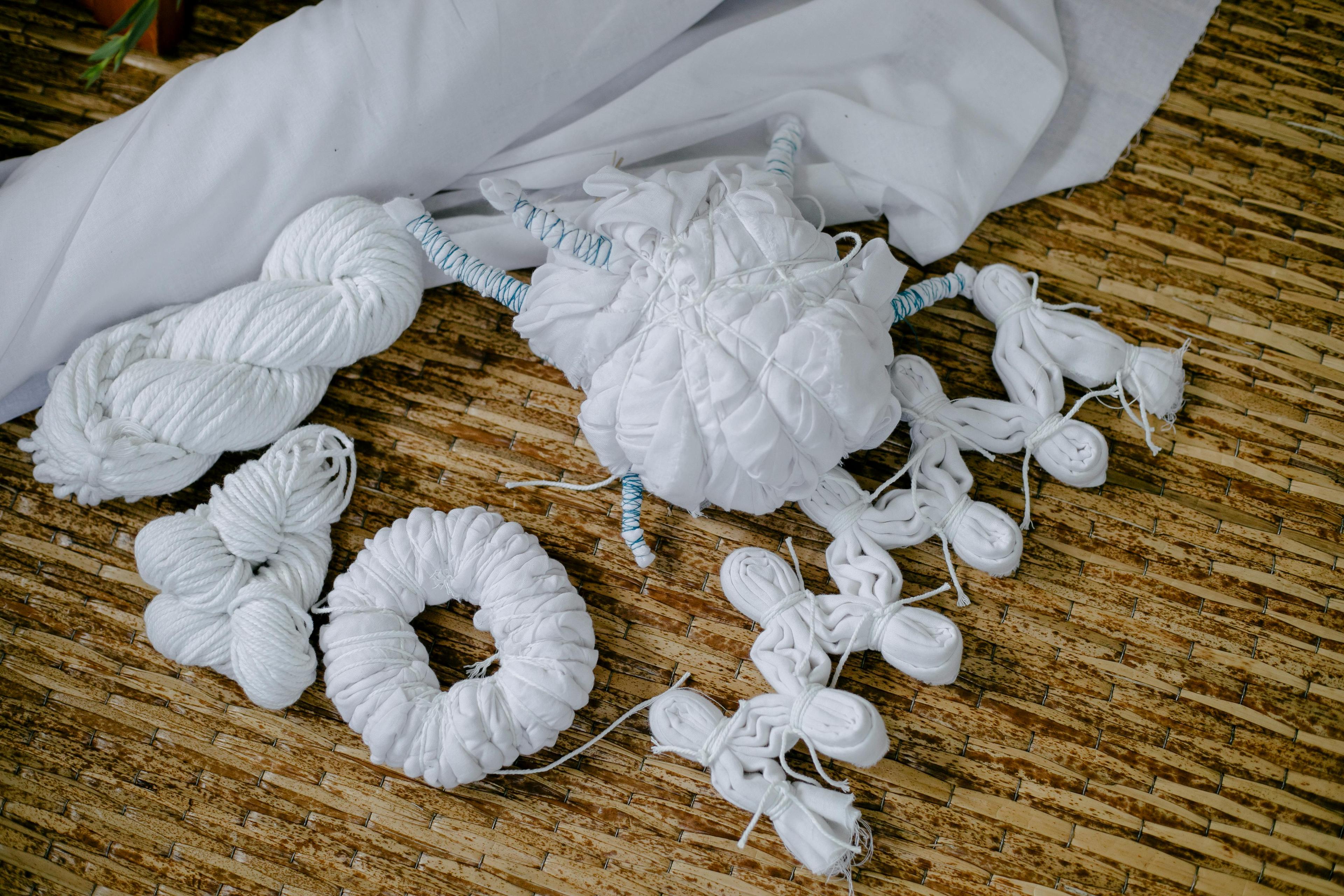
Shibori Textile Art
Shibori is a family of Japanese resist-dyeing techniques in which fabric is folded, twisted, stitched, or bound before dyeing to create patterns through selective dye resistance. One of the world's most theoretically articulated textile traditions, it encompasses dozens of distinct techniques producing effects from minute bubble textures to bold geometric compositions, each rooted in centuries of refined craft knowledge.
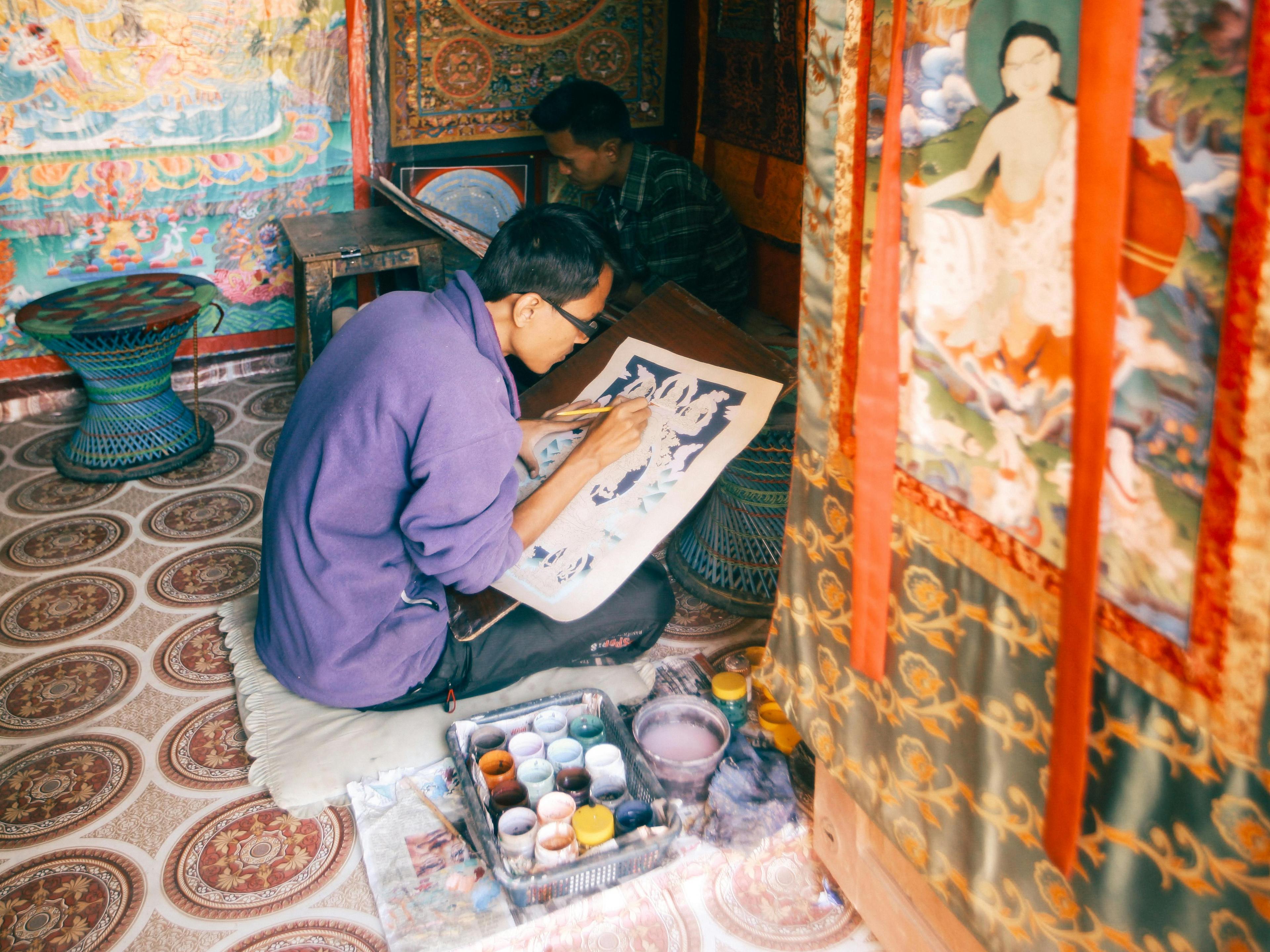
Tibetan Thangka Art
A thangka is a Tibetan Buddhist painting on cotton or silk — a vehicle of devotion, a teaching instrument, and a consecrated object believed to carry the presence of its depicted deity. Produced within strict canonical frameworks transmitted through living master lineages, each thangka is simultaneously a work of art, a theological statement, and a spiritual implement.
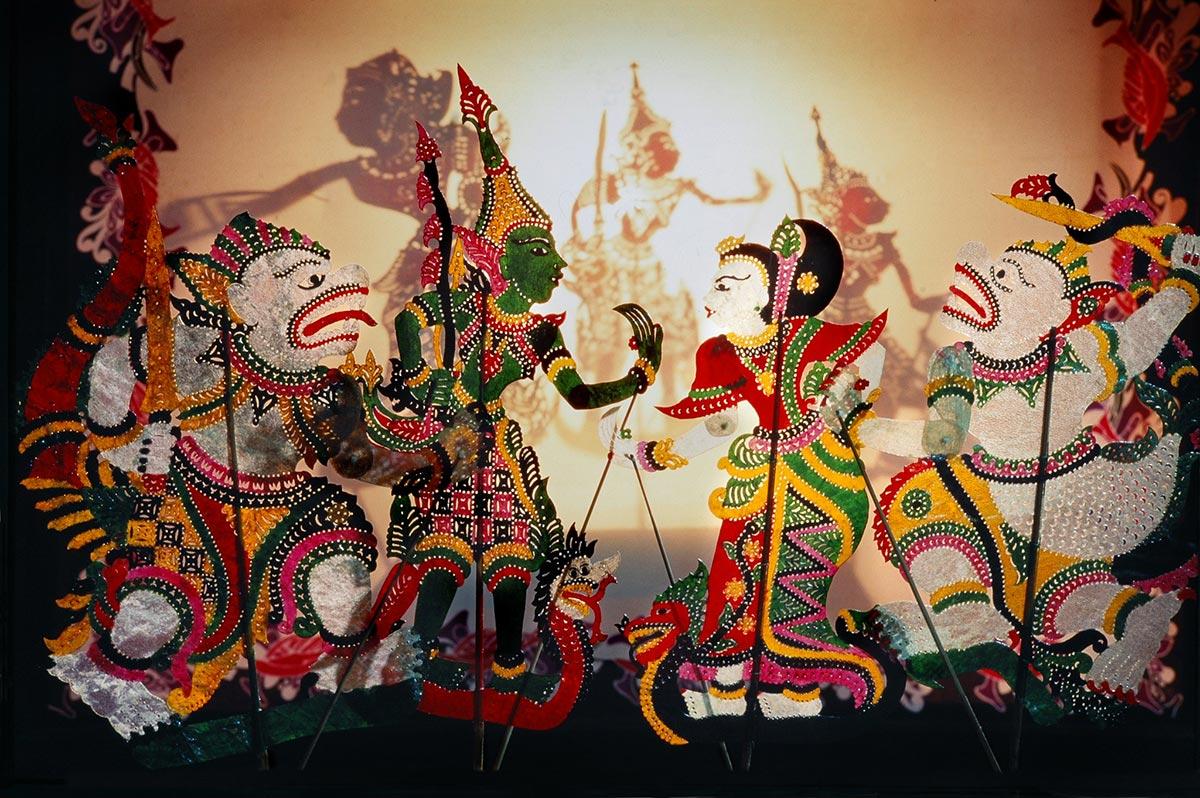
Wayang Kulit
Intricate leather shadow puppetry accompanied by gamelan orchestras, serving as moral instruction, spiritual ritual, and social commentary.