
Moidams
Documentary Video
MOIDAMS Charaideo, Sivasagar District, Assam, India · Ahom Kingdom burial tradition from 1228 CE · Ahom Royal Necropolis VULNERABLE
SITE AT A GLANCE Location: Charaideo, Sivasagar district, Assam, northeast India Country: India Region: South Asia Coordinates: 26.9781° N, 94.7108° E Type: Tangible Cultural Heritage — Royal Burial Complex Sub-types: Funerary Architecture, Archaeological Site, Royal Heritage Period: Moidam construction tradition from 1228 CE; primary Charaideo complex 16th–18th centuries Risk Level: Vulnerable Risks: Looting of grave goods, Vegetation erosion, Monsoon damage, Inadequate resources, Ritual tradition loss, New tourism pressure UNESCO Status: UNESCO World Heritage Site (2023)
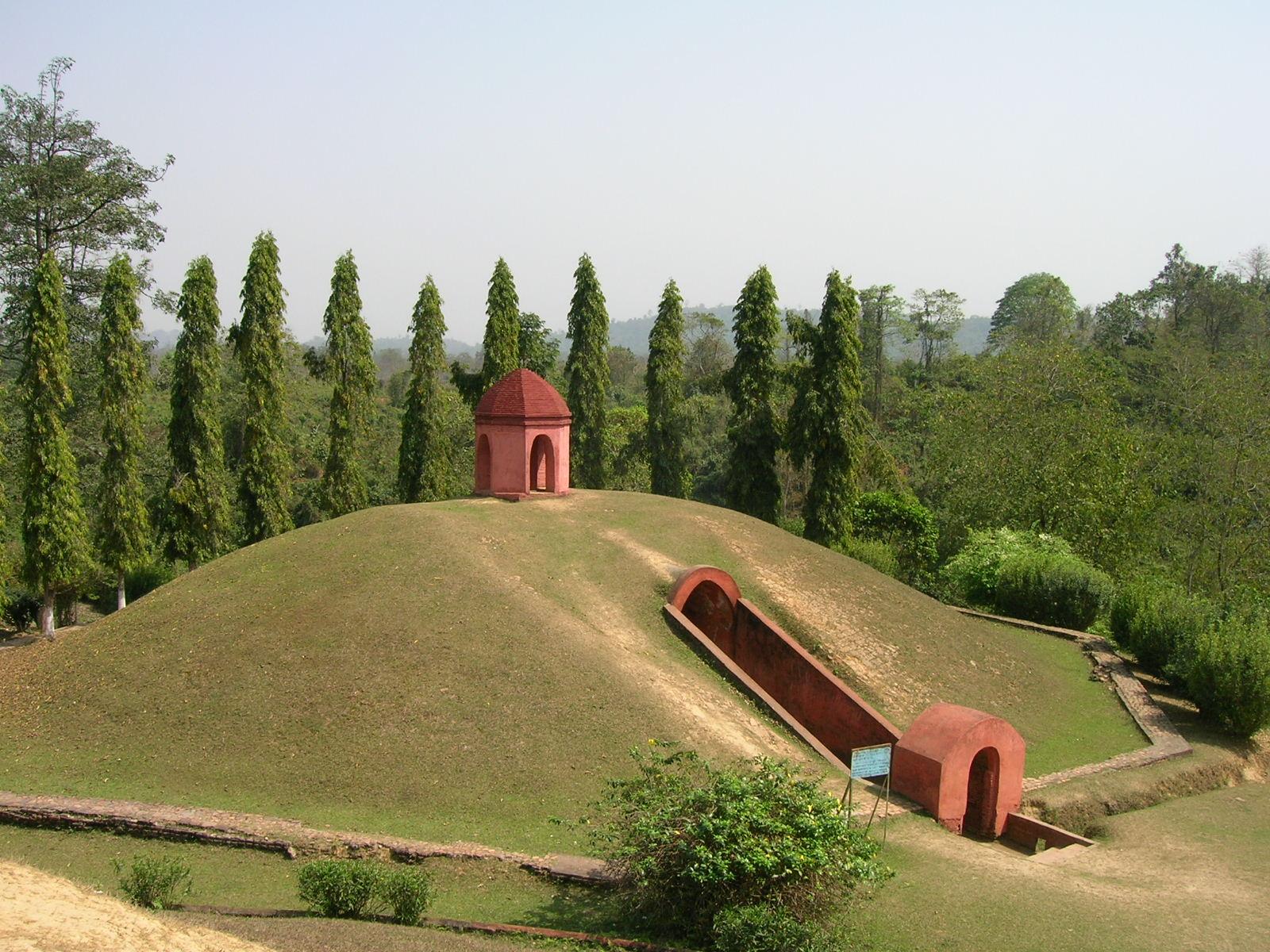
DESCRIPTION The physical structure of a moidam is a specific architectural programme. The burial chamber — the garh — is built first, either of brick or dressed stone, and shaped as a domed vaulted space in which the body and grave goods are placed. In the moidams of the high Ahom period (17th–18th centuries), the garh is a sophisticated brick-vaulted structure with plastered interior walls, equipped with niches for offerings and with drainage provisions that demonstrate significant architectural knowledge. The chamber is then sealed, and the earthen mound is constructed above it in a prescribed form: hemispherical, built up in compacted layers, to a height proportional to the status of the deceased. The octagonal boundary wall that surrounds the mound at ground level is a distinctive Ahom architectural element with no parallel in other Indian burial traditions. The gateway (tekeli ghar — literally 'pot house') in the boundary wall contains a specific ritual space associated with the ancestor veneration ceremonies performed annually by the Tai-Ahom community. These ceremonies — the Me-Dam-Me-Phi festival held annually on January 31 — involve offerings of food, flowers, and incense to the ancestral spirits of the moidam occupants, connecting the physical structure of the mound to the living intangible heritage of the Tai-Ahom religious tradition. The grave goods that accompany Ahom kings in the most significant moidams were extraordinary. Historical records describe the interment of gold and silver vessels, weapons, jewellery, clothing, and food, along with — in the period before this practice was reformed in the 18th century — the retinue of servants and wives who were buried alive with the king. The material wealth in the unlooted moidams is substantial; the looted ones have been plundered by treasure hunters across centuries.
HISTORICAL SIGNIFICANCE The Ahom Kingdom's 598-year rule of Assam is the longest uninterrupted reign of a single dynasty in South Asian history, exceeding even the great Mughal Empire in duration. The seventeen successful defenses against Mughal military campaigns — culminating in the Battle of Saraighat in 1671, in which the Ahom commander Lachit Borphukan decisively defeated a Mughal fleet, a victory celebrated as a defining moment of Assamese identity — represent one of the most sustained records of military resistance in Asian history. The 2023 UNESCO World Heritage inscription of the Moidams — titled 'Moidams — the Mound-Burial System of the Ahom Dynasty' — was inscribed at the 45th session of the World Heritage Committee, held in Riyadh, Saudi Arabia. It was the first UNESCO World Heritage Site from the northeast Indian region of Assam, and its inscription was experienced by the Assamese and Tai-Ahom communities as a long-delayed international recognition of a civilisational achievement that had been inadequately appreciated outside the region.
THE STORY OF THE MONUMENT
1228 CE: Ahom Kingdom Founded Sukaphaa enters the Brahmaputra valley from the northeast and establishes the Ahom Kingdom. The moidam burial tradition is founded from the beginning of the dynasty, reflecting the Tai religious practices Sukaphaa brought from Mong Mao.
16th–17th Century: Classical Moidam Period The Ahom Kingdom at its height constructs the most elaborate moidams at Charaideo, the dynastic capital. The brick-vaulted garh construction and the octagonal boundary wall become the canonical form of the royal moidam.
1671: Battle of Saraighat Lachit Borphukan's decisive defeat of the Mughal fleet on the Brahmaputra River near Guwahati marks the last major Mughal attempt to conquer Assam. The Ahom Kingdom continues for another century and a half.
18th Century: Reforms and Decline The practice of burying servants and wives alive with the king is reformed in the 18th century. Internal political conflict weakens the kingdom. Burmese invasions in 1817–1826 further destabilise Ahom rule.
1826: British Annexation The Treaty of Yandabo ends the First Anglo-Burmese War; Assam is ceded to the British East India Company. The Ahom Kingdom ends after 598 years.
20th Century: Archaeological Investigation The Archaeological Survey of India begins systematic investigation of the Charaideo complex. The extent of historical looting becomes apparent; surviving unexcavated moidams are placed under protected monument status.
2023: UNESCO World Heritage Inscription The Moidams of the Ahom Dynasty are inscribed on the UNESCO World Heritage List — the first World Heritage Site from Assam and one of the most recent inscriptions in this survey.
THREATS AND RISK ASSESSMENT The looting history is extensive and ongoing. The presence of gold and silver grave goods in the sealed moidam chambers has attracted treasure hunters since at least the colonial period. Several moidams at Charaideo have been disturbed or extensively looted; the chambers of the most significant royal moidams may have been substantially emptied of their original contents. The scale of historical looting and the amount of material that remains in situ in the unlooted moidams is not fully known. The vegetation and erosion problem is more tractable than looting but requires sustained resource commitment. The earthen mounds, left unmaintained, develop vegetation cover that introduces root penetration and water accumulation into the mound structure, weakening the earthen fabric above the burial chambers. Annual maintenance — removing vegetation, repairing erosion, maintaining drainage — is the minimum necessary to prevent progressive deterioration.
IF NOTHING CHANGES The 2023 UNESCO inscription brings increased attention and funding resources but also increased tourist pressure that will need careful management. The looting problem will require enhanced physical security and monitoring. The erosion problem will require sustained annual maintenance resources that the Archaeological Survey of India needs to commit. The living Ahom ritual tradition associated with the moidams — the Me-Dam-Me-Phi festival and the ancestor veneration practices — will continue in the Tai-Ahom community, maintaining the intangible heritage dimension of the site. The moidams are at a transition point: from a relatively obscure regional heritage site to an internationally recognised World Heritage location, with all the opportunities and risks that transition brings.
Screening Room

The Ahom Kingdom — 600 Years of Resistance in Assam
Historical Timeline
Ahom Kingdom Founded
Sukaphaa enters the Brahmaputra valley and establishes the Ahom Kingdom; the moidam burial tradition begins.
Classical Moidam Period
The Ahom Kingdom at its height constructs the most elaborate moidams at Charaideo.
Battle of Saraighat
Lachit Borphukan defeats the Mughal fleet — the last major Mughal attempt to conquer Assam.
British Annexation
The Treaty of Yandabo ends the Ahom Kingdom after 598 years of rule.
UNESCO World Heritage Inscription
Moidams inscribed on the UNESCO World Heritage List — the first World Heritage Site from Assam.
Quick Facts
Location
Charaideo, Sivasagar district, Assam, northeast India; the Charaideo Moidam complex is the primary site; additional moidams scattered across the Brahmaputra valley from Sivasagar to Jorhat
Country
India
Region
South Asia
Period
Moidam construction tradition from the founding of the Ahom Kingdom in 1228 CE; most significant moidams at Charaideo from the 16th–18th centuries; UNESCO World Heritage Site since 2023
Type
Built Heritage
Risk Level
Vulnerable
Related Heritage Sites

Adam's Peak (Sri Pada)
Adam's Peak — Sri Pada, the Sacred Footprint — is a 2,243-metre conical mountain in the Sri Lankan highlands whose summit rock formation is venerated as a sacred footprint by four of the world's major religions simultaneously. For over a thousand years, pilgrims of all these faiths have climbed 5,500 steps through the night to reach the same summit at the same dawn, making it one of the oldest continuously shared sacred sites in the world. The mountain's surrounding cloud forest is a biodiversity hotspot containing over 150 endemic plant species found nowhere else on earth.
Attirampakkam
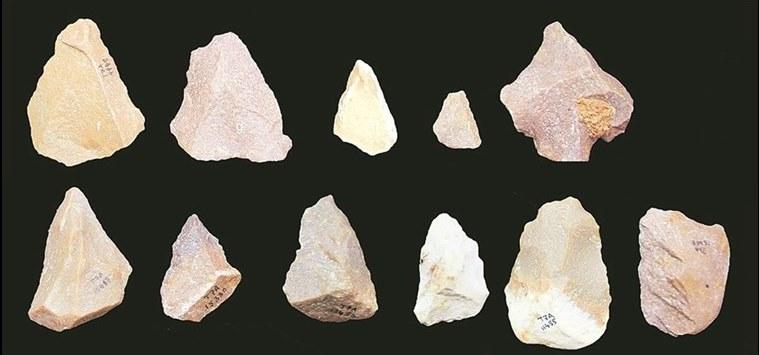
A stratified sequence of stone tool assemblages spanning approximately 1.5 million years, from the earliest known Acheulean handaxe technology in peninsular India through a transition to Middle Palaeolithic technology that appears — according to radiometric dating published in 2018 — significantly earlier than the same transition in Africa and Europe, potentially before the dispersal of anatomically modern humans out of Africa and challenging fundamental assumptions about the cognitive and demographic history of early humans in South Asia.

Hampi
A 26-square-kilometre open landscape of approximately 550 monuments distributed across an extraordinary terrain of stacked granite boulders along the Tungabhadra River — once the capital of the Vijayanagara Empire, one of the wealthiest and most populous cities on earth in the fifteenth and sixteenth centuries. Temples, bazaars, royal pavilions, elephant stables, and sacred tanks appear across ridgelines and around corners in a landscape that feels less like a heritage site and more like a civilisation that forgot to fully disappear. Large sections remain in active religious use, as they have been for over a thousand years.