
Konkan Geoglyphs (Ratnagiri Rock Art)
Documentary Video
KONKAN GEOGLYPHS Ratnagiri and Sindhudurg Districts, Maharashtra, India · Est. 10,000–25,000 years BP · South Asian Laterite Rock Art CRITICAL
SITE AT A GLANCE Location: Ratnagiri and Sindhudurg districts, Konkan coastal region, Maharashtra Country: India Region: South Asia Coordinates: 17.0000° N, 73.3000° E (Ratnagiri district reference) Type: Tangible Cultural Heritage — Prehistoric Rock Art Sub-types: Geoglyphs, Petroglyphs, Archaeological Landscape Period: Estimated 10,000–25,000 years BP; scientific documentation from 2012 Risk Level: Critical Risks: No legal protection, Agricultural use, Construction activity, Monsoon erosion, Laterite quarrying, No public awareness UNESCO Status: Not yet nominated; under consideration for Indian national monument notification
DESCRIPTION The laterite plateaus (sada) of the Konkan — flat-topped rock outcrops of iron-rich laterite forming the elevated landscape above the coastal strip — are both the medium and the gallery for the engravings. Laterite, a deeply weathered tropical soil that hardens on exposure to air into a durable building stone, provides a flat, relatively homogeneous surface that prehistoric artists used as their canvas. The hardened laterite is carved by pecking with harder quartz or chert tools, creating lines of small percussion marks that form the outlines of figures. The scale of individual figures varies dramatically: some figures are only a few dozen centimetres in extent; others span several metres across the plateau surface. The rhinoceros figures at Kasheli are among the most striking — life-sized (or larger) representations of an animal that no longer exists in the region, carved with a specificity of form that requires the artist to have seen a living rhinoceros. The fish figures include identifiable species — a whale shark, a hammerhead shark, a sawfish, a manta ray — carved with enough morphological accuracy that modern biologists can identify the species. The distribution of figures across the plateaus does not appear random: specific plateaus contain specific categories of animal, suggesting a spatial organisation of the carved landscape that may reflect ritual or cosmological significance. The relationship between the carved figures and the surrounding agricultural and settlement landscape of the Konkan communities deserves systematic investigation that has not yet been undertaken.
HISTORICAL SIGNIFICANCE The discovery of the Konkan geoglyphs between 2012 and 2018 by local researcher Sudhir Risbud and subsequently documented by a team led by Goa University researcher Tejas Garge is an ongoing story in South Asian archaeology. The sheer number of figures — over 1,500 identified sites, with more being found — and their wide geographical distribution across many villages and districts suggests that this is not a localised phenomenon but a regional artistic tradition of the prehistoric coastal people of western India. The significance extends beyond the Indian regional context. The Konkan geoglyphs, if their estimated dates are confirmed by radiometric dating (technically challenging for petroglyphs, which do not contain organic material directly dateable by radiocarbon methods), would represent one of the most significant bodies of Palaeolithic art outside Europe and Australia, suggesting that the impulse toward figurative representation that we know from Lascaux, Altamira, and the Australian rock art tradition was globally distributed in the human species during the late Pleistocene.
THE STORY OF THE SITE
c. 10,000–25,000 Years BP (Estimated): Creation Prehistoric coastal people of the western Indian coastline carve hundreds of figures into the laterite plateaus above the Konkan coast. The figures include animals now extinct in the region or globally (hippopotamus, rhinoceros in their pre-extinction Indian range), living animals of the current ecosystem, and geometric forms.
Post-Pleistocene: Burial Under Vegetation As climate change transforms the Konkan ecosystem from a more open landscape to the dense tropical vegetation of the contemporary coastal environment, the laterite plateaus are covered by scrub vegetation and the geoglyphs become invisible. Local communities forget their origins, though the plateaus continue to be used for seasonal agricultural purposes.
2012–2018: Rediscovery and Documentation Local researcher Sudhir Risbud discovers the first major site; subsequent work by Tejas Garge and others systematically documents more than 1,500 sites across Ratnagiri and Sindhudurg districts. The discovery is reported in international academic literature from 2018 onward.
2018–Present: Race Between Documentation and Destruction The research team races to document sites before they are destroyed by construction, quarrying, and agricultural activity. Several significant sites have already been damaged or destroyed since their discovery. No legal protection has yet been put in place.
THREATS AND RISK ASSESSMENT The situation is acute. The Konkan geoglyphs have been discovered but not protected, and the gap between discovery and legal protection is a period of maximum vulnerability. Construction workers who do not know — because no one has told them — that they are building roads across 20,000-year-old art are currently destroying sites that took Stone Age people days to carve. The Agricultural threat is equally immediate. Laterite plateaus across the Konkan are used for seasonal cultivation; ploughing and field preparation activities scrape and chip the engraved surfaces. The lines between carved animal and field boundary are literally being erased. The lack of public awareness at the village level is the root problem. If the communities who live on and around these plateaus understood what the carvings were, they would likely protect them — the existing evidence suggests strong community interest once awareness is established. The information gap is the most tractable problem and the highest-leverage intervention point.
IF NOTHING CHANGES Sites will continue to be destroyed faster than they are discovered and documented. Some of the most significant concentrations of prehistoric rock art in South Asia — potentially in the world — will be quarried for building material, ploughed into fragments by agricultural implements, and buried under concrete before they can be properly studied or protected. The sites that survive will be those in the most remote and least agriculturally or constructionally valuable locations, which may not be the most archaeologically significant. The full extent and significance of the Konkan geoglyph tradition may never be known because too many of its sites will have been destroyed before systematic investigation was possible.
Screening Room

The Ancient Rock Carvings of Ratnagiri
Historical Timeline
Geoglyphs Created
Prehistoric coastal people carve over 1,500 identified figures into laterite plateaus above the Konkan coast.
Burial and Forgetting
Climate change transforms the landscape; the plateaus are covered by vegetation and the geoglyphs become invisible to local communities.
Rediscovery
Local researcher Sudhir Risbud discovers the first major sites.
International Documentation
Tejas Garge and team publish systematic documentation; discovery reported in international academic literature.
Race Against Destruction
Documentation proceeds as construction, quarrying, and agricultural activity continue to destroy undocumented sites.
Quick Facts
Location
Konkan coastal region, Maharashtra, India; concentrated in Ratnagiri and Sindhudurg districts; most significant site clusters at Kasheli, Rundhe Tali, Devache Gothane, and Barsu villages near Ratnagiri city
Country
India
Region
South Asia
Period
Estimated 10,000–25,000 years BP (Late Pleistocene to early Holocene); scientific documentation beginning in 2012 by Sudhir Risbud and subsequently by the Goa-based Dr Tejas Garge and team; documentation ongoing
Type
Built Heritage
Risk Level
Safe
Related Heritage Sites
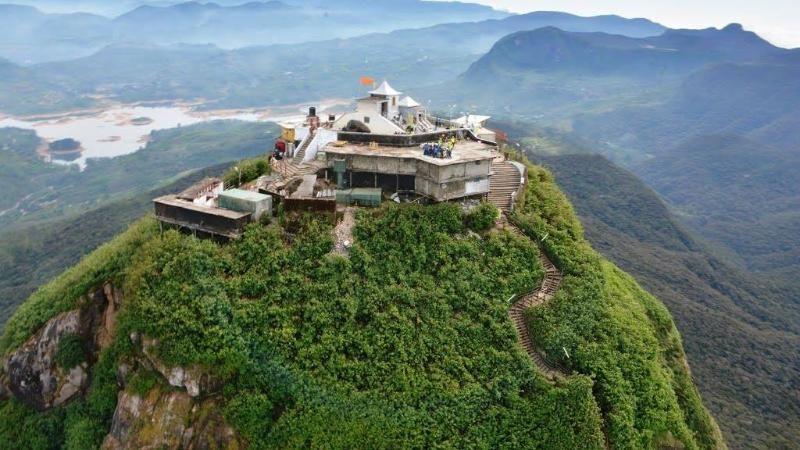
Adam's Peak (Sri Pada)
Adam's Peak — Sri Pada, the Sacred Footprint — is a 2,243-metre conical mountain in the Sri Lankan highlands whose summit rock formation is venerated as a sacred footprint by four of the world's major religions simultaneously. For over a thousand years, pilgrims of all these faiths have climbed 5,500 steps through the night to reach the same summit at the same dawn, making it one of the oldest continuously shared sacred sites in the world. The mountain's surrounding cloud forest is a biodiversity hotspot containing over 150 endemic plant species found nowhere else on earth.
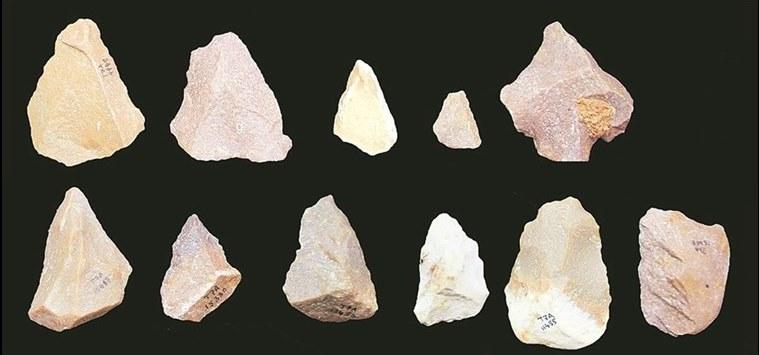
Attirampakkam
A stratified sequence of stone tool assemblages spanning approximately 1.5 million years, from the earliest known Acheulean handaxe technology in peninsular India through a transition to Middle Palaeolithic technology that appears — according to radiometric dating published in 2018 — significantly earlier than the same transition in Africa and Europe, potentially before the dispersal of anatomically modern humans out of Africa and challenging fundamental assumptions about the cognitive and demographic history of early humans in South Asia.

Hampi
A 26-square-kilometre open landscape of approximately 550 monuments distributed across an extraordinary terrain of stacked granite boulders along the Tungabhadra River — once the capital of the Vijayanagara Empire, one of the wealthiest and most populous cities on earth in the fifteenth and sixteenth centuries. Temples, bazaars, royal pavilions, elephant stables, and sacred tanks appear across ridgelines and around corners in a landscape that feels less like a heritage site and more like a civilisation that forgot to fully disappear. Large sections remain in active religious use, as they have been for over a thousand years.