
Heritage in Southeast Asia / Oceania
Explore heritage sites and cultural practices from Southeast Asia / Oceania.
Sites in this Region
Showing 2 documented sites
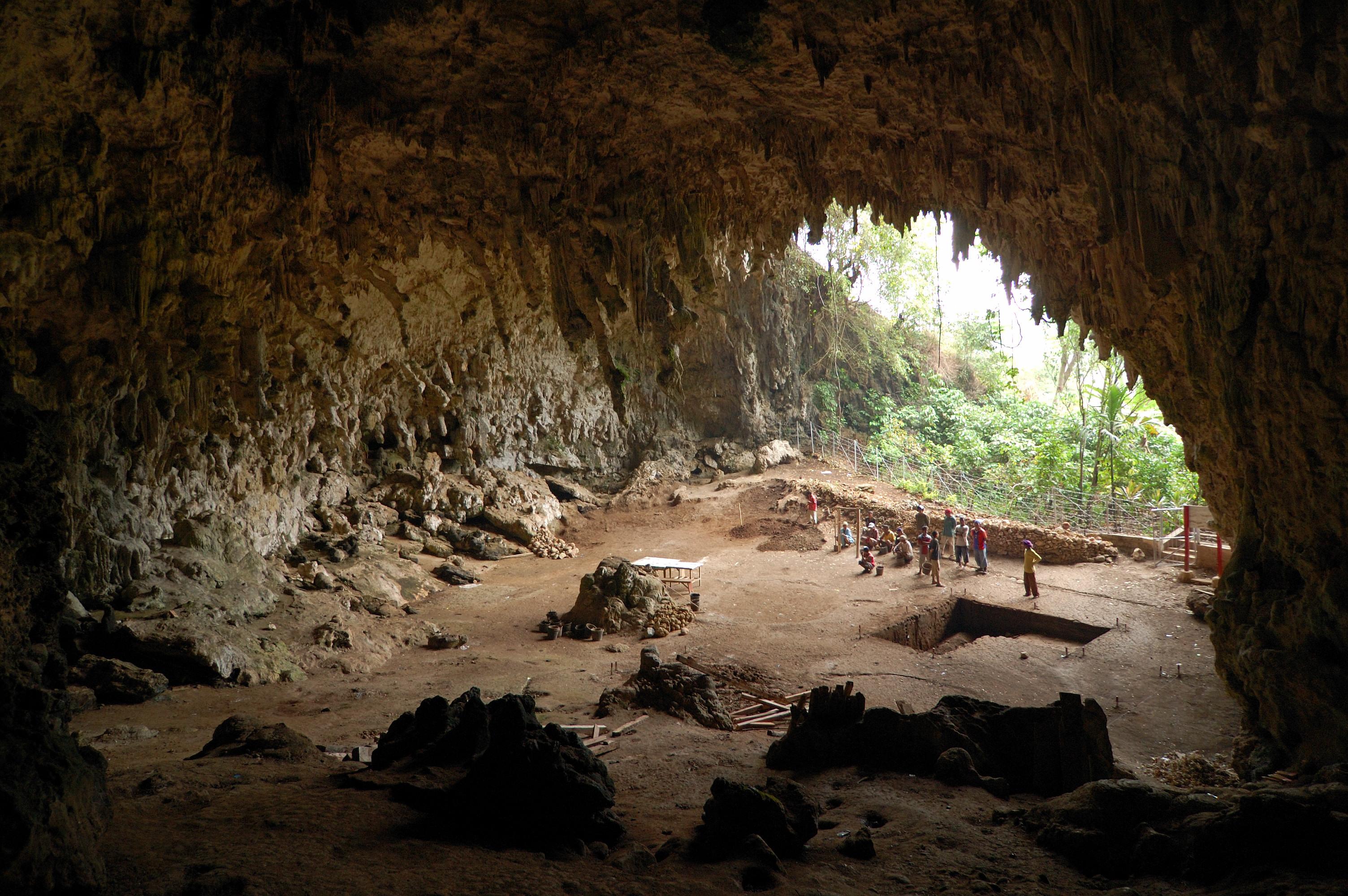
Liang Bua Cave
The limestone cave on the island of Flores where the skeletal remains of Homo floresiensis — a previously unknown species of small-bodied hominin that coexisted with anatomically modern humans until approximately 50,000 years ago — were discovered in 2004, one of the most significant palaeoanthropological findings of the twenty-first century, whose implications for understanding the diversity of hominin species and the routes of human dispersal through Southeast Asia continue to be debated and investigated.
Toraja Tongkonan Houses
The tongkonan is the ancestral house of the Toraja people of the Sulawesi highlands — a structure of towering boat-shaped roof, carved and painted facade panels, and buffalo horns stacked on the front post as records of ritual sacrifice, that functions simultaneously as a family residence, a ceremonial venue, a cosmological model of the universe, and the central institution of Toraja social organisation. No important ceremony — no funeral, no house-blessing, no marriage — takes place without a tongkonan. The house is not where the Toraja live. It is what makes them Toraja.